IN THE EVENT OF AN EMERGENCY THIS SITE IS NOT MONITORED. FOR CURRENT INFORMATION GO TO HTTPS://EMERGENCY.MARINCOUNTY.GOV.
A Buyer & Builders Guide to Fire-Resistant Fencing and Gates
A fence may seem like a simple part of any property, but in a wildfire it can become a pathway for fire to reach the home. This risk is greatest when a combustible fence, typically wooden, attaches directly to the building. Noncombustible fencing and gate products are recommended within five feet of a building whenever possible, as this can make a meaningful difference during a wildfire.
Already have a Wooden or Combustible Material Fence?
The good news is that reducing fence-related wildfire risk does not always require replacing the entire fence at once. The best place to start is with the section, or sections, closest to the house. Activities will include regular maintenance and targeted upgrades that help reduce ember buildup and flame spread.
If you already have a wood fence, begin by looking at where it connects to the home, garage, deck, or another structure that attaches to the house, which are the most vulnerable areas. Replacing the section closest to the house with a noncombustible fence panel or gate will break the path of fire and reduce the chance of ignition at the home. Because metal fencing is often sold in standard sections, it may be possible to replace only the most vulnerable portion first rather than taking on the full fence line all at once. For wood plank fencing, the fence planks are attached to support members between installed posts. So for a retrofit project, it is necessary to measure the distance between the already installed supports for the targeted section.
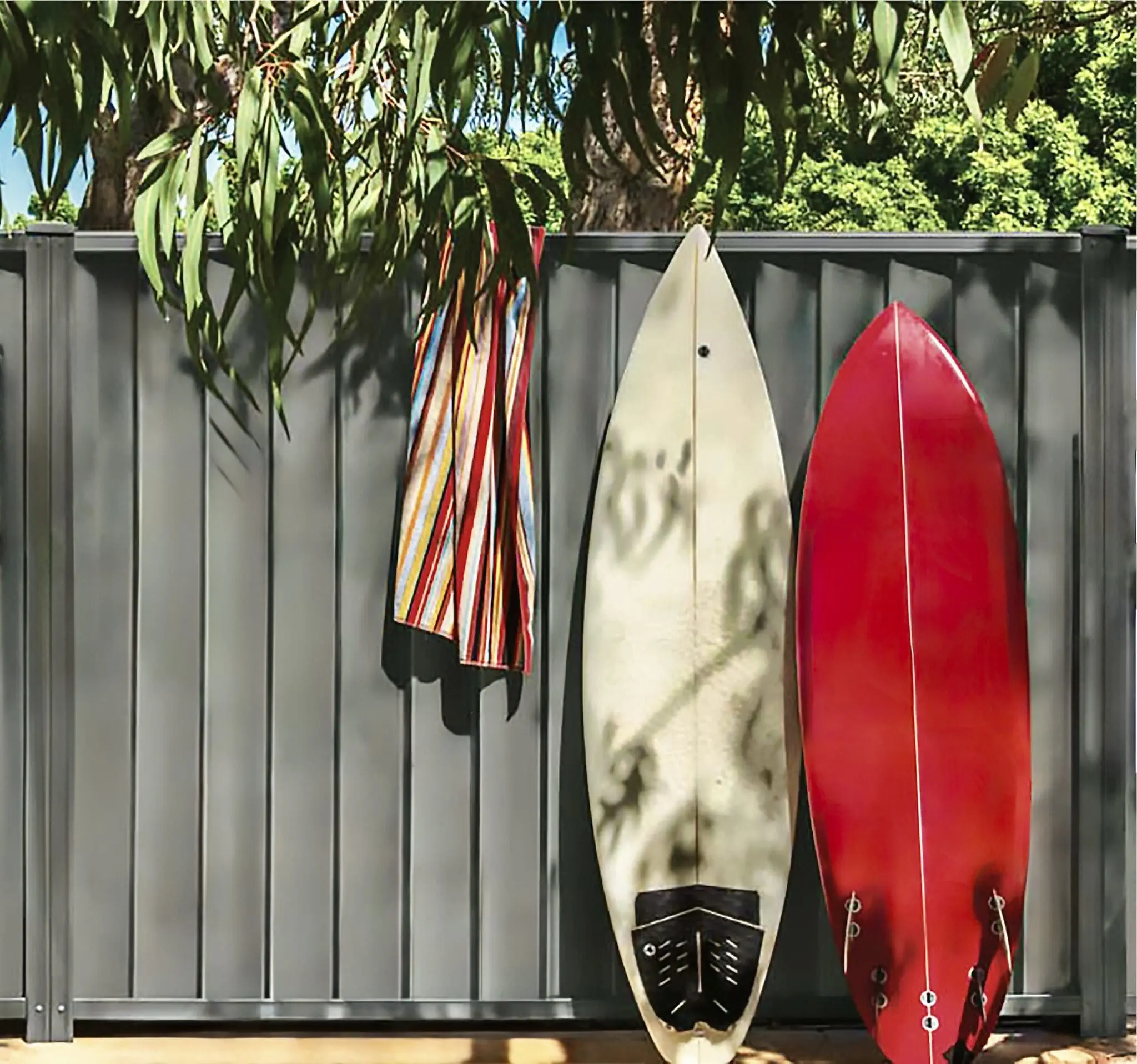
Fence design also matters. More open styles, such as a lattice fence, can help reduce ember buildup and slow flame spread. Designs that allow greater airflow make it harder for wind-blown embers to collect and can reduce lateral flame spread if ignition occurs. Solid privacy fences tend to be more vulnerable because they create more continuous combustible surface area and more places for embers to lodge, especially where vertical planks meet horizontal supports.
“WHERE TO START?
If replacing the whole fence is not realistic right now, begin by clearing debris from the base, removing combustible mulch nearby, and upgrading the section that touches the house.”
Still on the fence? Hogwire is practical compromise
Hogwire fencing can be a practical option for homeowners who want a more open look and do not need full privacy. Because the wire panels do not create the same continuous combustible surface as a solid wood fence, this style can be a lower-risk alternative. The same approach can work well for gates when privacy is not a major concern.
However, it is not recommended to use hogwire as a gate connecting to a structure, as it does not meet Zone 0 standards. If the fence is close to the home, the safest approach is still to use a noncombustible gate or noncombustible end section nearest the structure.
It should be noted that any wooden posts, rails, or framing still needs regular attention. Keep the area around the posts free of debris, avoid combustible mulch at the base, and do not let vegetation grow into the fence. Hogwire can be a good middle-ground option, but it performs best when paired with thoughtful placement and regular maintenance.
Noncombustible Options When Replacing a Fence
If you are replacing an entire fence, choose noncombustible materials whenever possible. The greatest benefit comes from using those materials closest to the structure, where a fence is most likely to transmit fire to the home, but the farther out you can go, the better. Steel fencing, fiber cement, and noncombustible gate products are among the strongest options.
- Steel fencing is durable, available in a wide range of styles, and can provide a clean, modern look or a more traditional appearance depending on the product. Where neighboring buildings are within 20 feet of each other, steel perimeter fencing can reduce radiant heat exposure and provide added protection if a nearby building ignites.
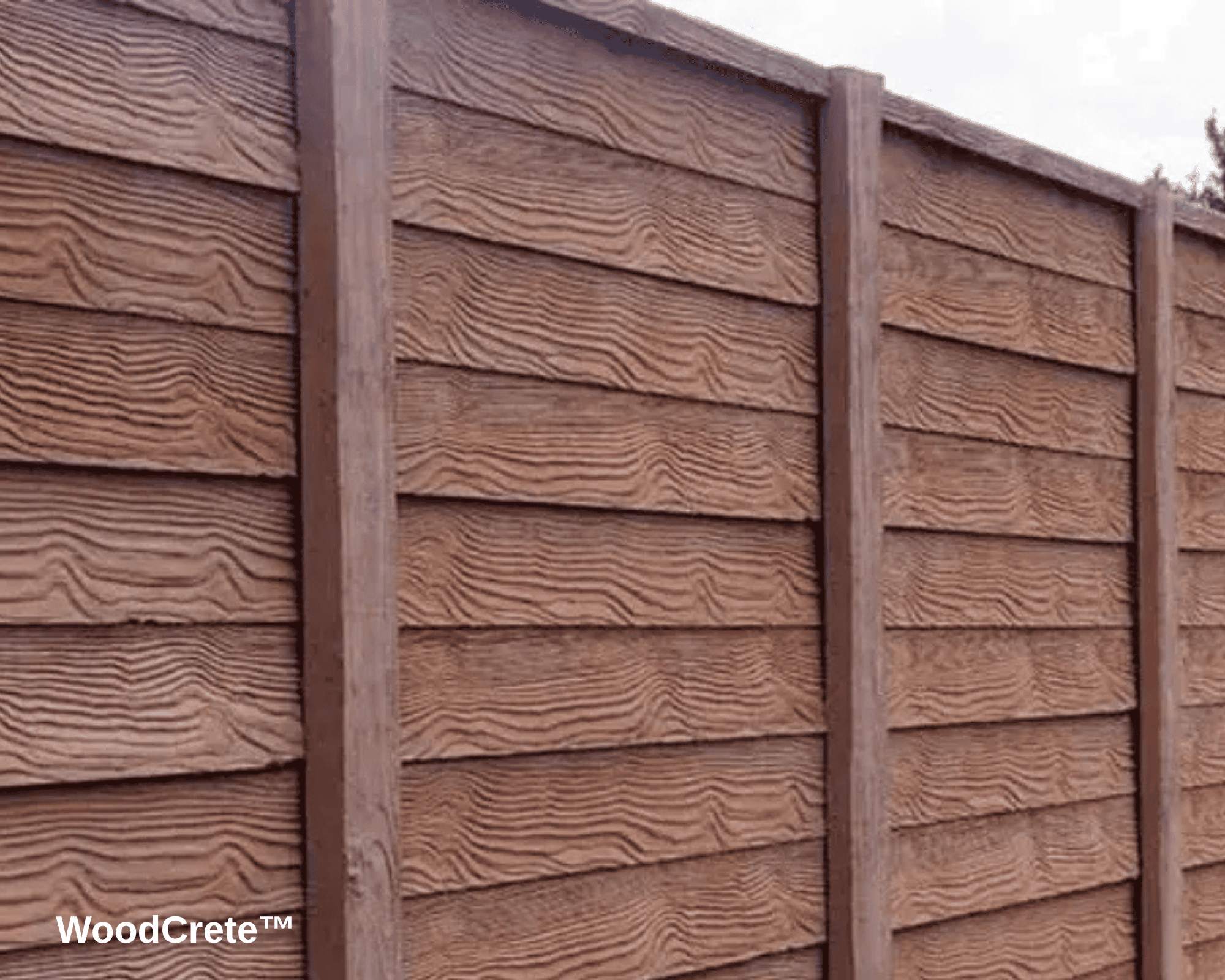
- Fencing that uses fiber cement products is another strong choice. It is made of cement, sand, and cellulose fibers and comes in many styles, colors, heights, and textures, including options that resemble painted wood. This makes it a useful alternative for homeowners who want the look of wood with much better fire resistance.
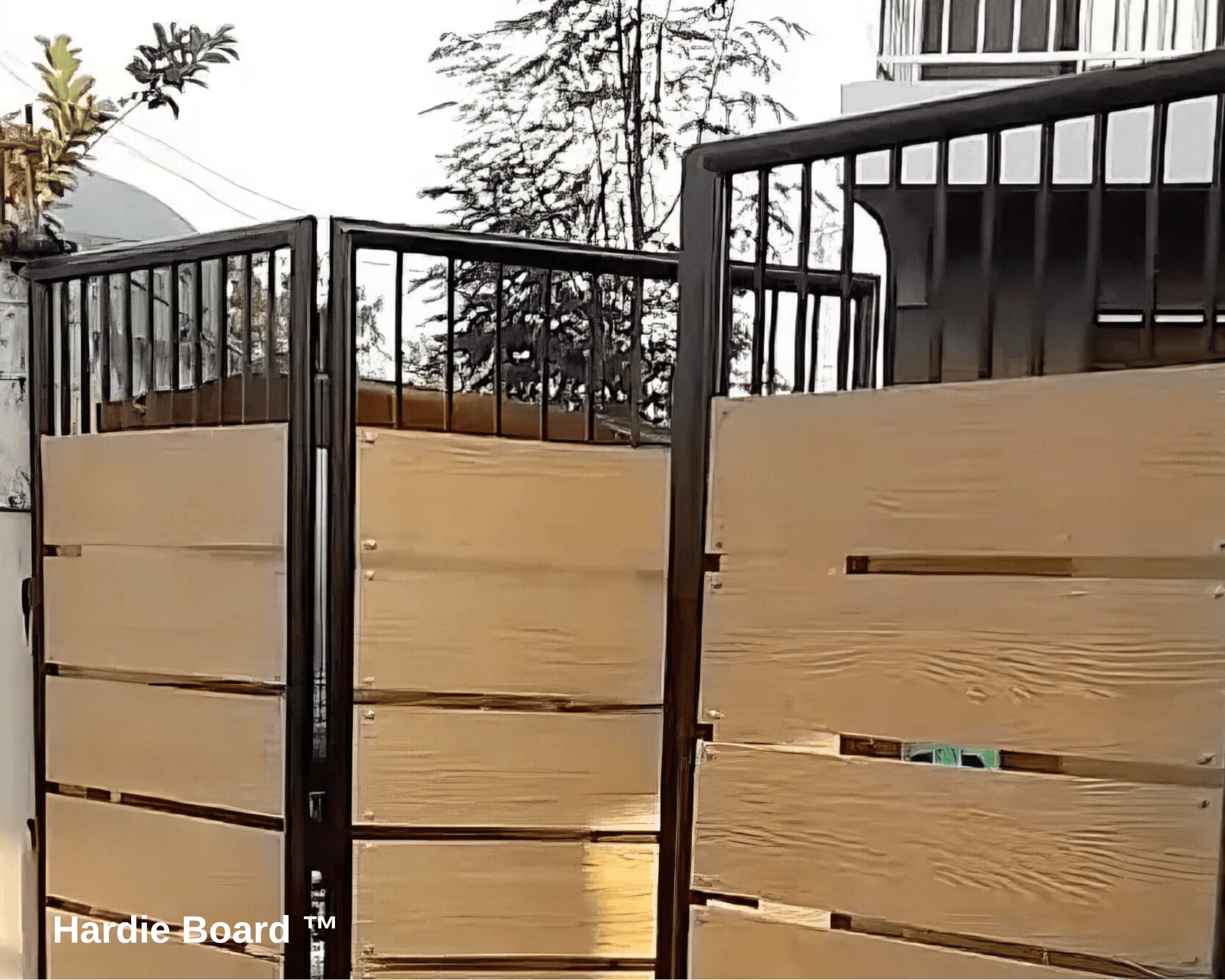
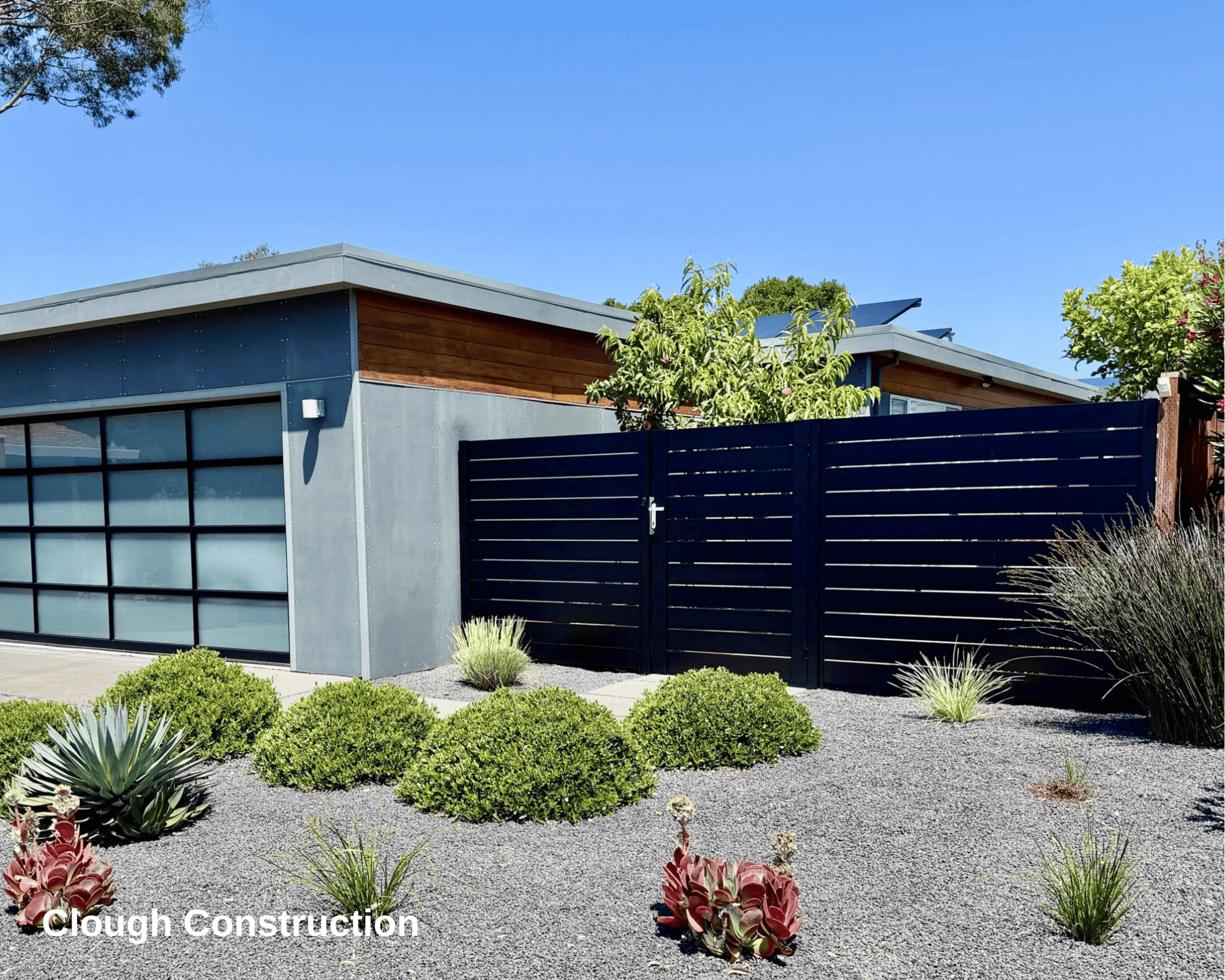
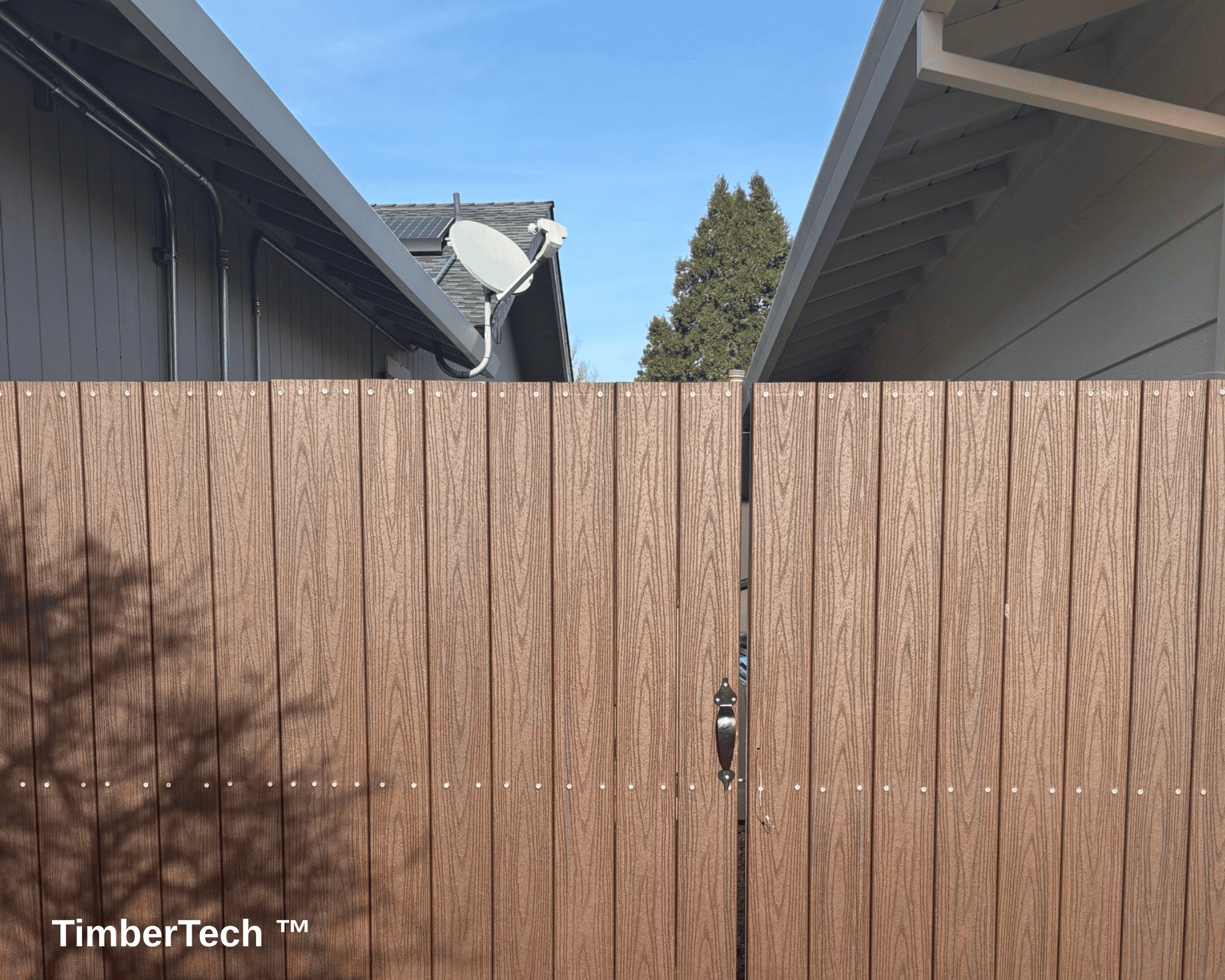
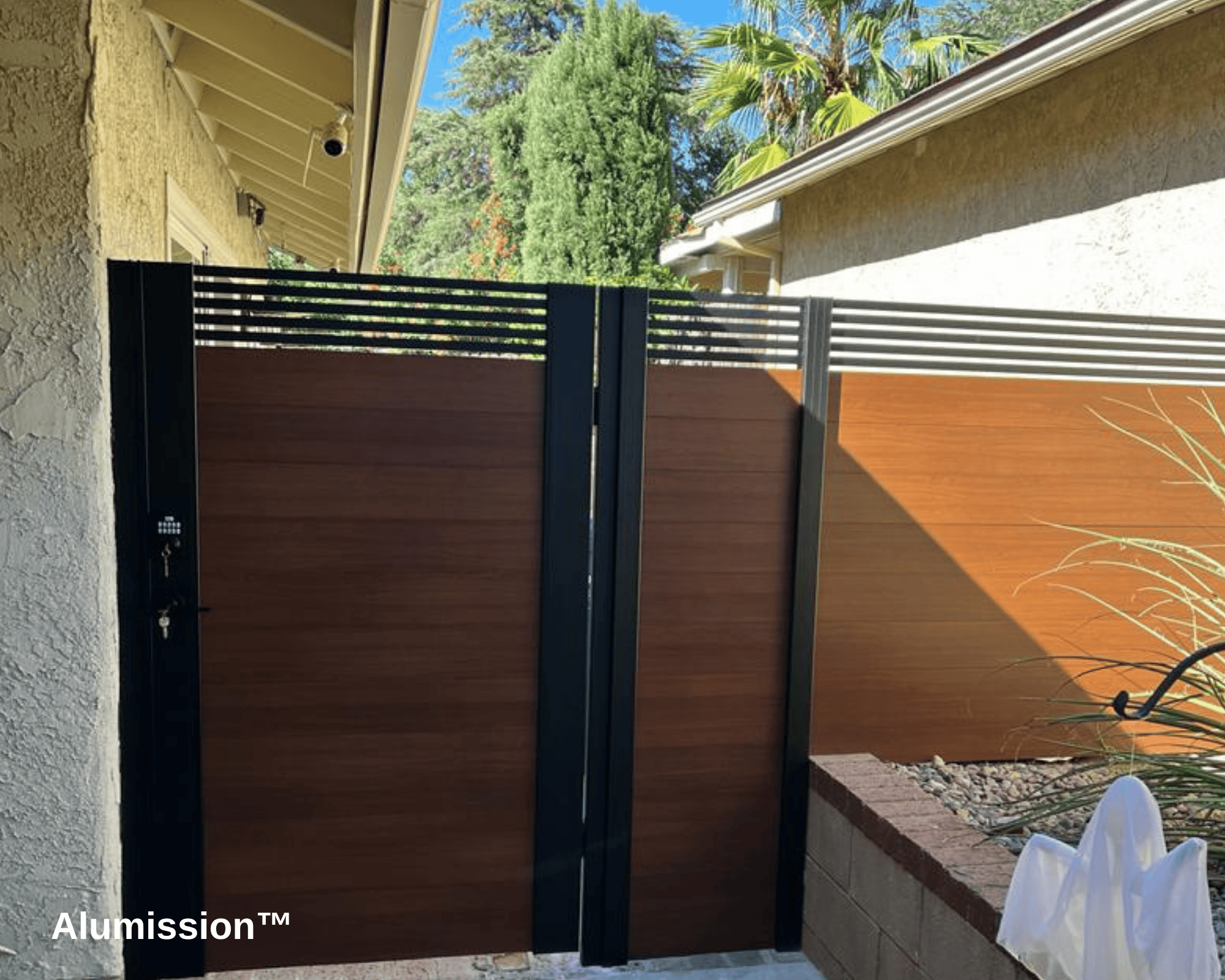
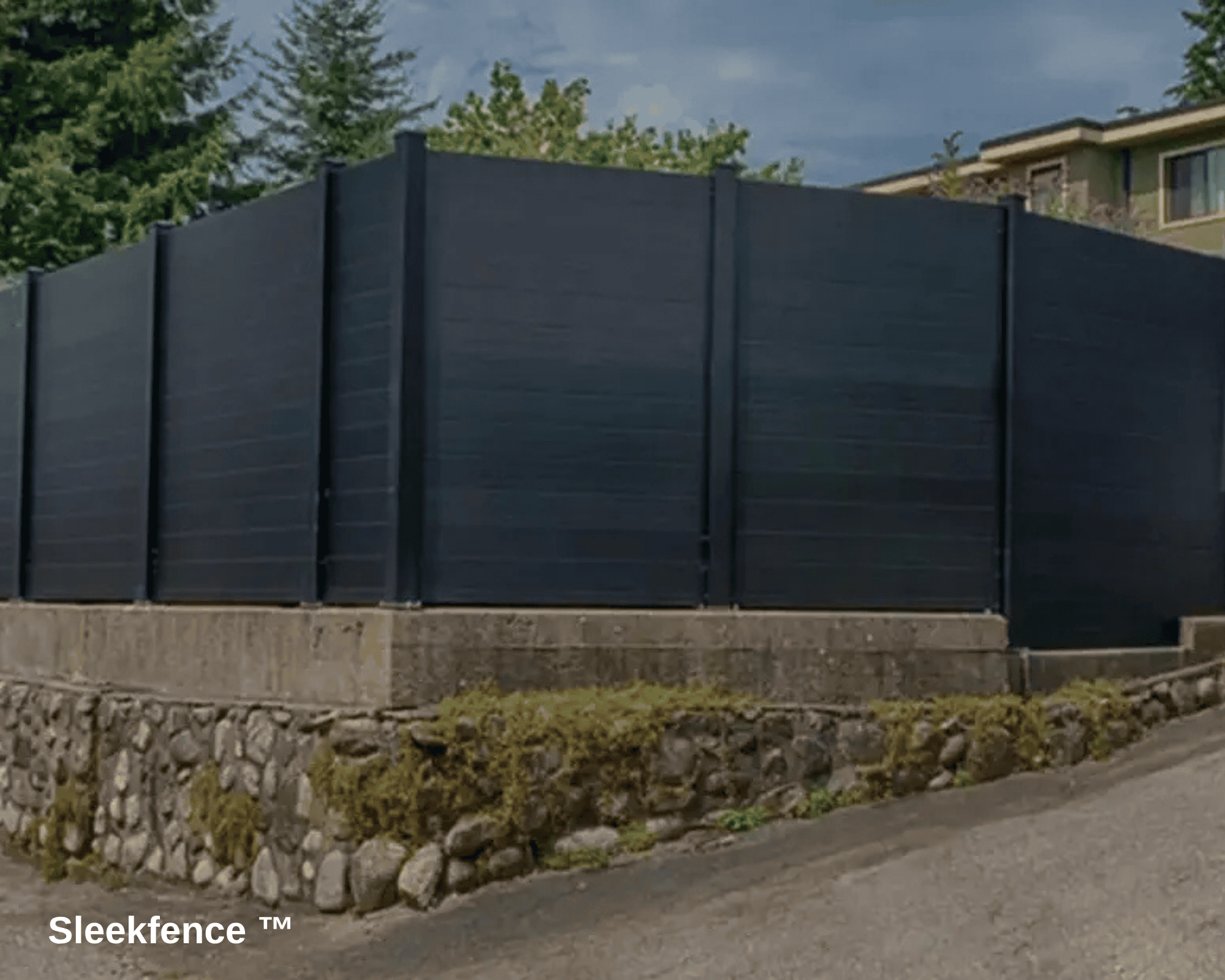
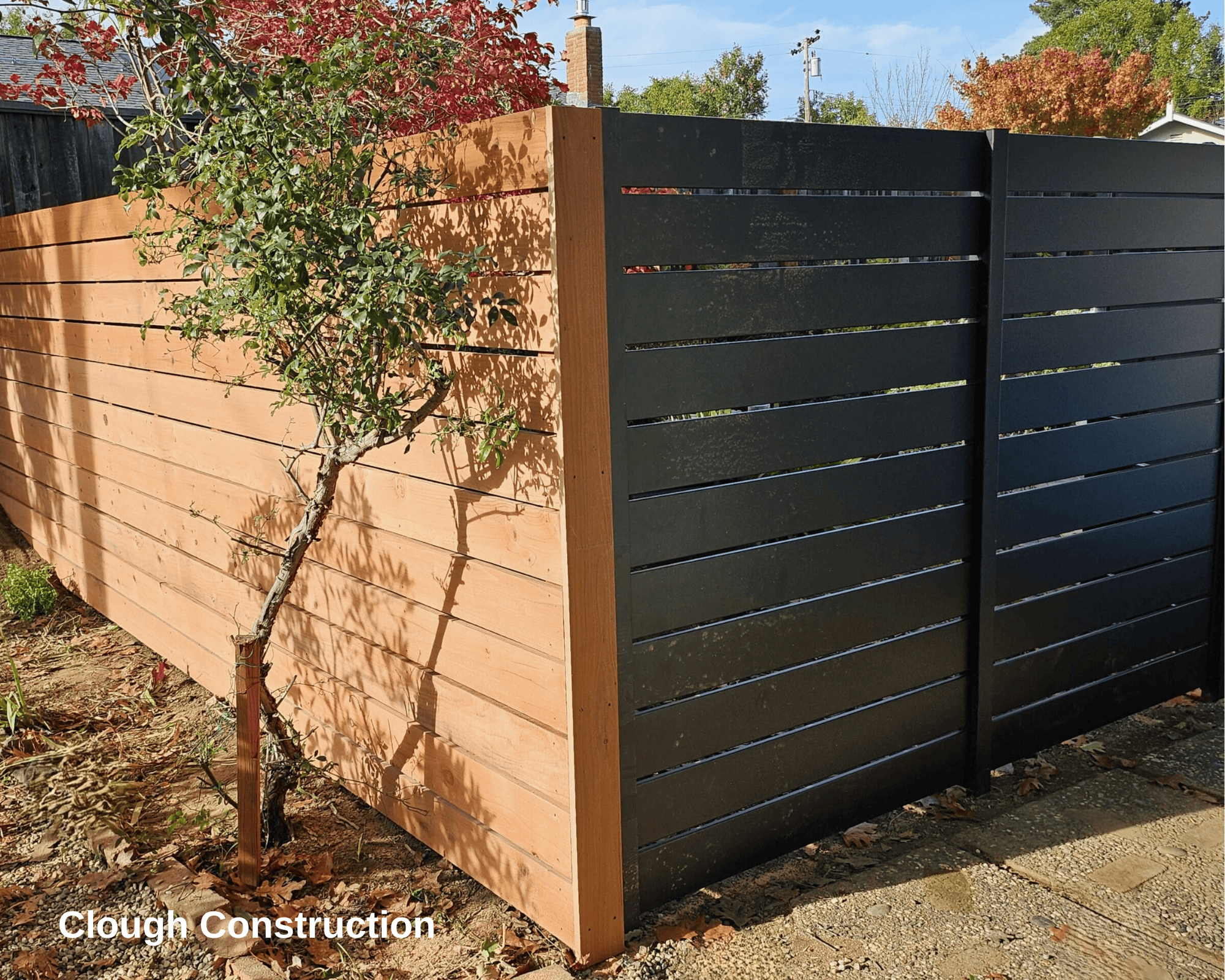
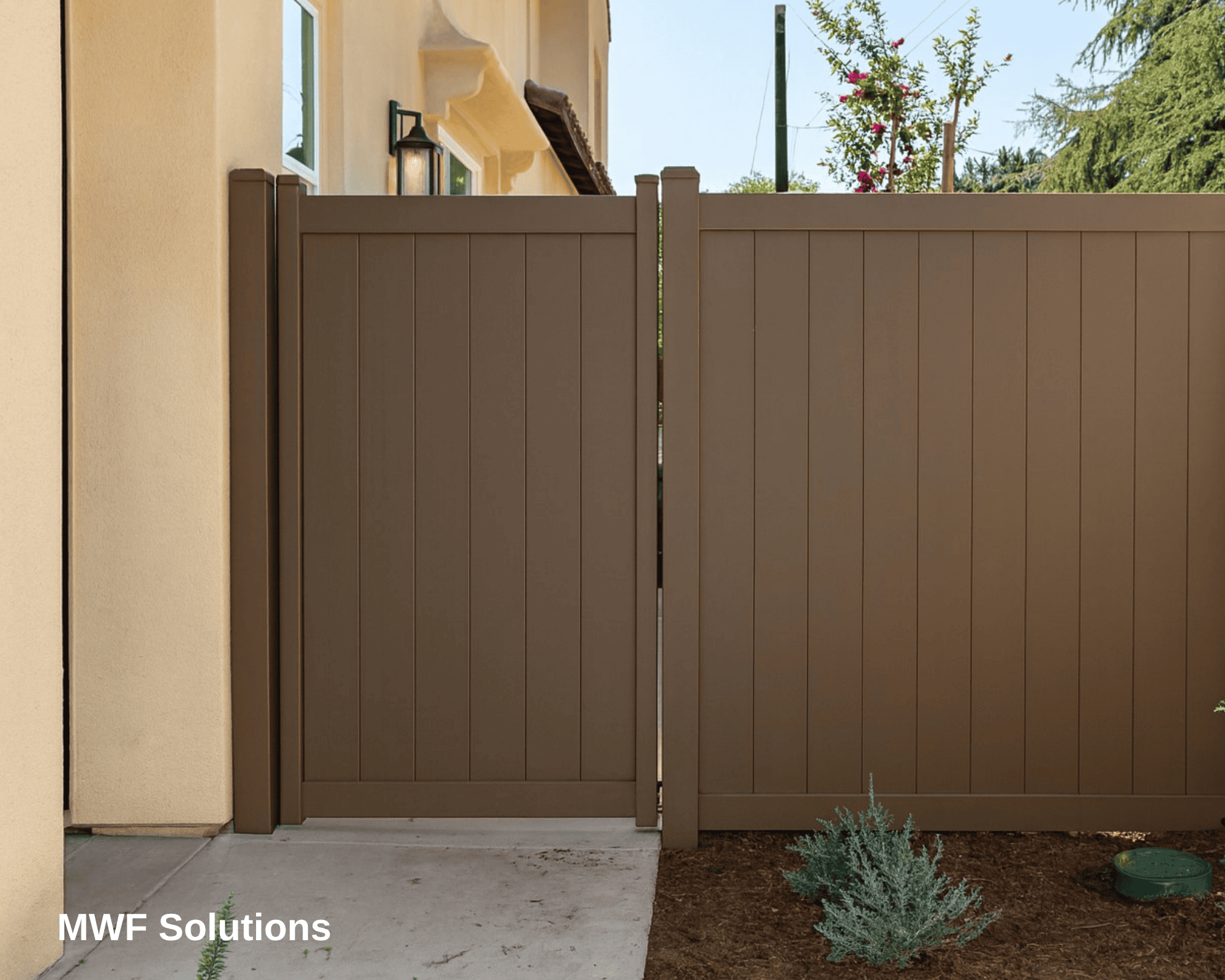
- For gates, ready-made steel and aluminum products are widely available and can be a strong upgrade even if the rest of the fence remains in place for now. Fiber cement products can also be used. If privacy is not a major concern, hogwire gates can be a more affordable alternative.
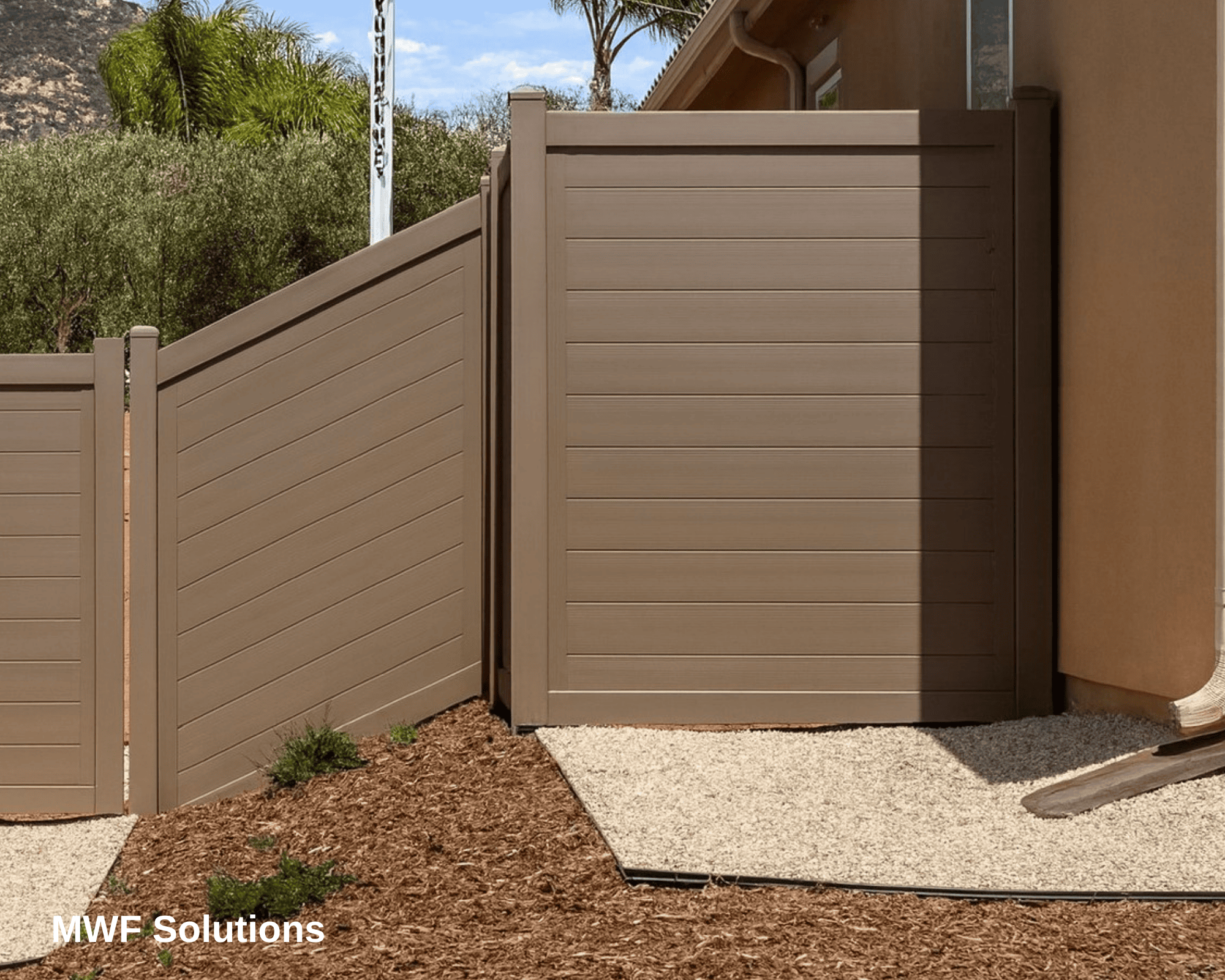
- Vinyl performs differently than wood, but it is also a combustible material. Compared to wood, it is less vulnerable to ignition from embers alone, but vinyl will still burn when exposed to flames from nearby burning debris and will deform when exposed to radiant heat. It is important to remove vegetative debris from the base of vinyl fencing, just as will all fencing materials.
- NOTE on fiber cement products: Since these products are intended to be installed as siding or in a soffit (under-eave) area, they are typically thin. When used as fencing, the installer should take that into account and place intermediate supports as needed to avoid breakage – it is flexible and can more easily break if not adequately supported.
“REPLACEMENT OPTIONS AND PRIORITIES: Noncombustible materials make the biggest difference. Luckily they come in many different looks to meet most property designs. And if you can’t replace the whole fence, it’s still valuable to replace the section closest to the home.”
Contractors and Clients, Be Aware:
Fence work near the home should be approached as part of home hardening, not just as a landscape improvement project. Contractors should pay close attention to every place where a fence or gate attaches to siding, trim, decks, stairs, or other combustible parts of the structure. Breaking that connection with a noncombustible section or gate is one of the most important upgrades that can be made.
It is also important to look beyond the fence itself. Fencing that is close to (5-feet or less) and parallel to the home can create narrow areas where debris builds up, flames intensify, and maintenance becomes more difficult. Even a three-foot gap between fences is not enough to eliminate that risk. Mulch, stored materials, overhanging vegetation, and dense plant growth can all increase fire intensity if they are too close to the fence. It is crucial to consistently remove accumulated debris next to the fence, and to strongly consider fence replacement.
Fence upgrades should be considered alongside other home hardening measures that reduce ember vulnerability around the structure. The replacement process should also account for gas meters, plumbing, irrigation, vents, electrical equipment, and other exterior systems. These areas should remain accessible and should not become places where leaves, mulch, or embers could collect. A safer fence performs best when the surrounding area is maintained with the same level of care as the fence itself.
“BEFORE WORK BEGINS:
Ask your contractor how they will address attached fence sections, nearby utilities, ground materials at the base, and combustible features within five feet of the house.”
Looking for a contractor/handyman and need more guidance?
We’ve compiled some best practices and considerations to help you on your way, as well as trusted resources for selecting a contractor/handyman.

Learn More
Fences are just one part of reducing wildfire risk around the home. Explore more guidance: